

I grew up in one of the quietest neighbourhoods you could imagine.
On paper, it was perfect.
Parks. Ball diamonds. Football fields. Tennis courts. Basketball courts. Creeks. Trees to climb.
Everything a kid could want.
Most of the time, I had it all to myself.
I'd spend entire afternoons lying in the grass, staring at the sky, waiting for something to happen. We'd struggle to find enough kids for a baseball game or a round of street hockey. The neighbourhood always felt like it had been built for a life that never quite arrived.
That's why I loved going downtown.
I was shy. It's not like I was introducing myself to strangers. But I loved the energy. The pace. The feeling that every block held a hundred stories I hadn't heard yet. The city felt alive.
At the same time, I watch videos of someone living alone in the Alaskan wilderness and think, That looks like the life.
For years I thought those desires contradicted each other.
Now I don't.
Cities and wilderness aren't opposites in the way I once believed.
They're both real.
The city demands your attention. The wilderness demands your respect. In both places you have to participate. You can't simply exist in the background.
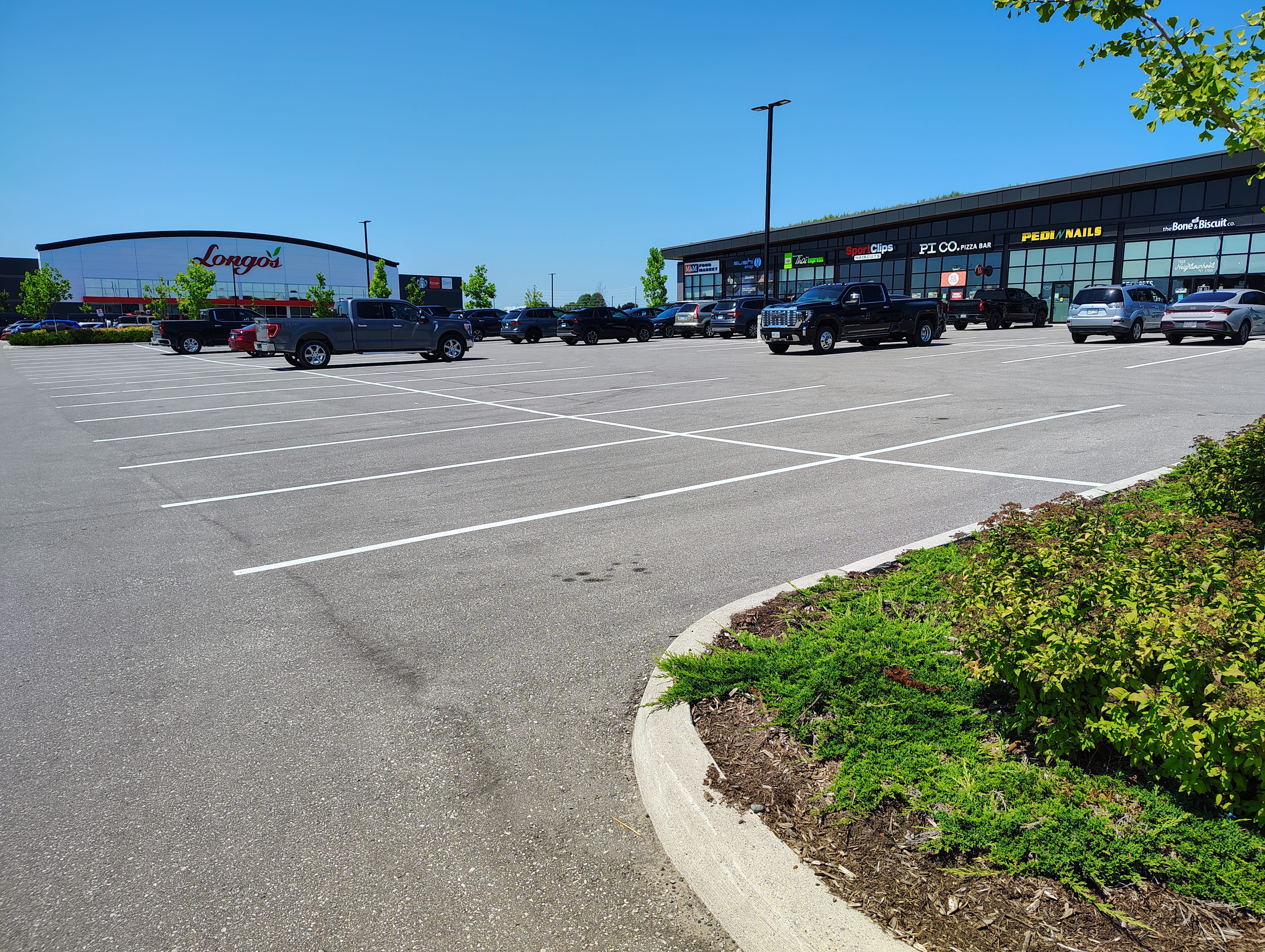
Suburbia often asks much less of us.
It promises convenience.
One trip to the big box store and you've bought a week's worth of groceries, a pair of jeans, a new television, dog food, and a birthday card.
Efficient?
Absolutely.
Memorable?
Not even a little.
The happiest I've ever been running errands wasn't when everything was under one roof.
It was when nothing was.
Living in midtown Toronto, I could walk to the bakery, the butcher, the barber, the hardware store, and the grocery store. Every stop meant different people, different conversations, different smells, different storefronts. The errand wasn't something to get through. It was part of the day.
I noticed the same thing in Europe.
People would buy only what they needed for that evening's meal. Fresh bread. Fresh vegetables. A quick stop at the market on the walk home. Tomorrow, they'd do it again.
It sounds less convenient.
Maybe it is.
But it also keeps you connected to the world around you.
The wilderness works the same way.
If you want heat, you gather wood.
If you want food, you go find it.
The environment isn't something you look at through a window. It's something you engage with.
Maybe that's what's missing.
We've spent decades trying to remove every inconvenience from our lives.
Groceries delivered.
Meals delivered.
Entertainment delivered.
Work from home.
Shop from home.
Exercise at home.
We celebrate every reason not to leave the house.
Then we wonder why loneliness is rising.
Maybe convenience isn't making us happier.
Maybe it's making us spectators in our own lives.
We've built homes so comfortable they contain everything we need.
And sometimes I wonder if we've mistaken that comfort for freedom.
Because a house filled with everything you love can still become a cage if there's no reason to step outside.
Maybe the problem was never friction.
Maybe friction was where life happened.
Fact Check Me.