

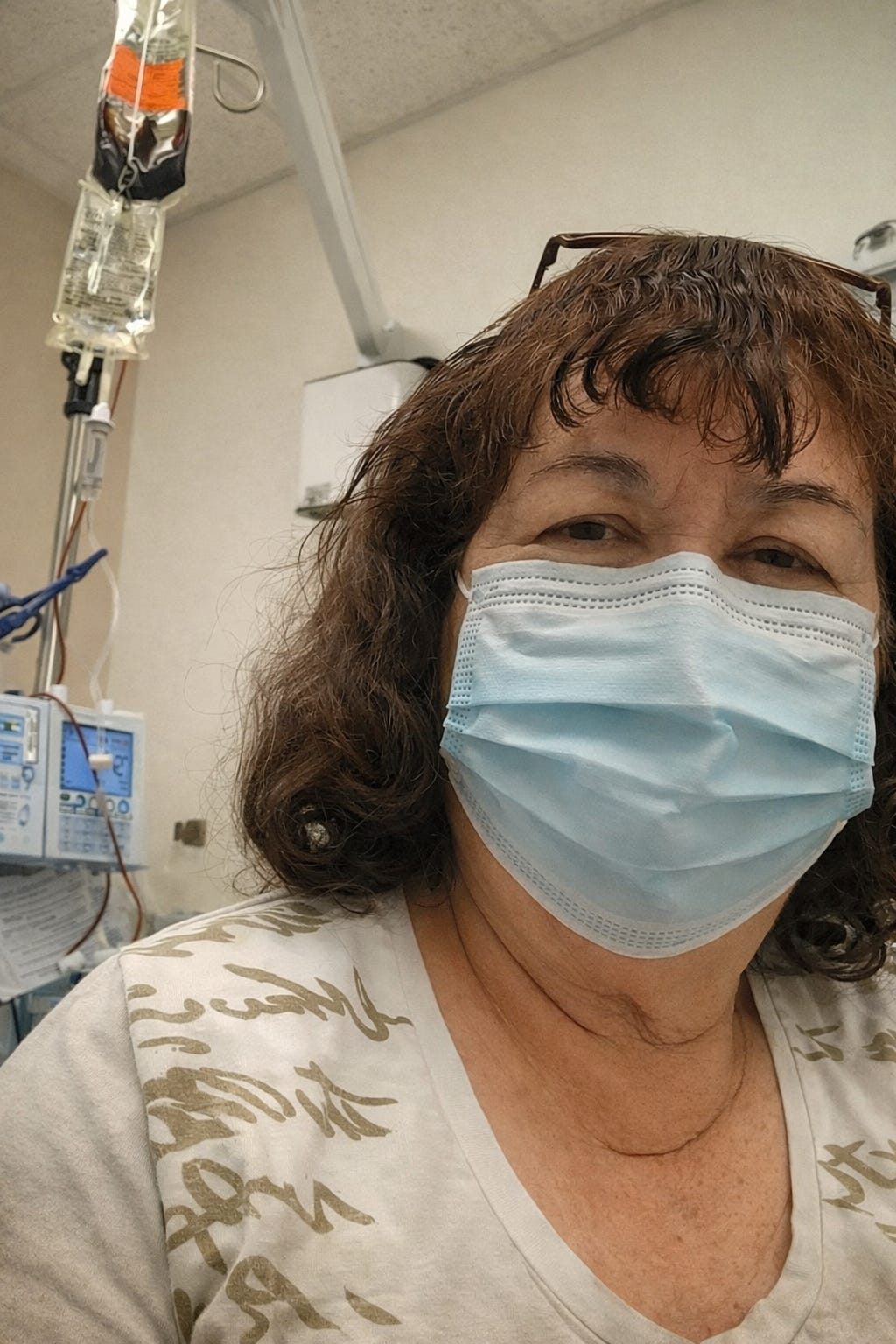
FACT CHECK ME:
When you almost die in a hospital, the doctors don’t save you.
The nurses do.
Doctors float. They diagnose. They authorize. They make decisions that matter — eventually.
But they aren’t the ones who stay.
They aren’t the ones watching you hour after hour.
They aren’t the ones who notice something’s wrong before the alarm goes off.
Nurses stay.
They put in the IVs.
They draw the blood.
They clean you.
They move you.
They reposition you.
They sit with you when you’re scared, confused, or in pain.
They watch the monitors — and more importantly, they watch you.
I’ve been to the hospital more times than I can count.
I can’t remember a single time a doctor put a needle in my arm.
I can remember dozens of nurses who did — steady hands, calm voices, no ceremony.
We like to pretend medicine is mysterious.
It isn’t.
Most of it is routine.
Pattern recognition.
Protocols.
Probabilities.
Adjustment.
You think your problem is unique — and emotionally, it is.
But clinically? We’ve seen this before.
We have tools now that can diagnose athlete’s foot from a photo and mail you the cream automatically.
And yet, inside hospitals, we wait.
We wait for orders.
We wait for signatures.
We wait for permission everyone already knows is coming.
Not because it’s safer.
Because it preserves hierarchy.
Doctors don’t run hospitals.
They authorize them.
And authorization has become the bottleneck.
Medicine was built around scarcity — scarce knowledge, scarce tools, scarce expertise.
That world is gone.
Today, medicine is advancing too fast for our hierarchy to keep up.
It takes too long to become a doctor.
By the time someone finishes training, it costs too much to pay them.
And then we waste their time approving routine decisions that were already made by the people closest to the patient.
That isn’t excellence.
That’s misallocation.
Nurses aren’t what people still imagine.
They don’t “learn on the job” anymore.
They have master’s degrees.
Some have PhDs.
Some teach doctors.
Some run research.
Some practice medicine in everything but name.
They assess patients.
They interpret labs.
They recognize patterns.
They initiate interventions.
They monitor outcomes.
They escalate when the math changes.
That’s not assistance.
That’s clinical judgment.
Nurses carry responsibility without authority.
They absorb the consequences of delay.
They are accountable for outcomes they’re not empowered to decide.
So maybe it’s time we admit it.
Nurses are doctors too.
Not in title.
Not in ego.
Not in hierarchy.
In function.
The word “doctor” isn’t sacred.
It just means someone trusted to practice medicine.
And nurses already do that.
What we call “doctor” today is really three different things bundled together:
Diagnosis.
Procedure.
Authority.
There is no rule that says one person has to hold all three.
Push specialization upward.
Let doctors specialize.
Let them diagnose the unknown.
Let them perform the rare, the complex, the irreversible.
That’s where their training shines.
But stop forcing routine, protocol-driven care through the most expensive, slowest path possible.
I would trust a highly trained nurse with my cancer.
Because cancer treatment isn’t mysticism.
It’s calculations.
Probabilities.
Monitoring.
Adjustment.
That’s exactly what nurses already do.
If you’ve ever been really sick — not inconvenienced, not scared, but close —
you know who actually kept you alive.
You remember the hands.
The voice.
The presence.
The person who stayed when staying mattered.
So this goes out to every nurse who ever cared for me.
There are too many of you to name.
But it especially goes out to the nurse who’s been taking care of me my whole life.
I love you, Mom.
Well said